Under Construction
We are curating this publication list to reflect CVAIL's most representative work in this area. Check back soon for a focused selection of papers, project links, and visual summaries.

Rendering at CVAIL combines learning-based perception with physically informed reasoning so models can operate under real-world constraints instead of idealized settings. Our rendering research spans physically grounded image formation, inverse rendering, and differentiable pipelines that connect graphics with machine perception.
Under Construction
We are curating this publication list to reflect CVAIL's most representative work in this area. Check back soon for a focused selection of papers, project links, and visual summaries.
Related Areas
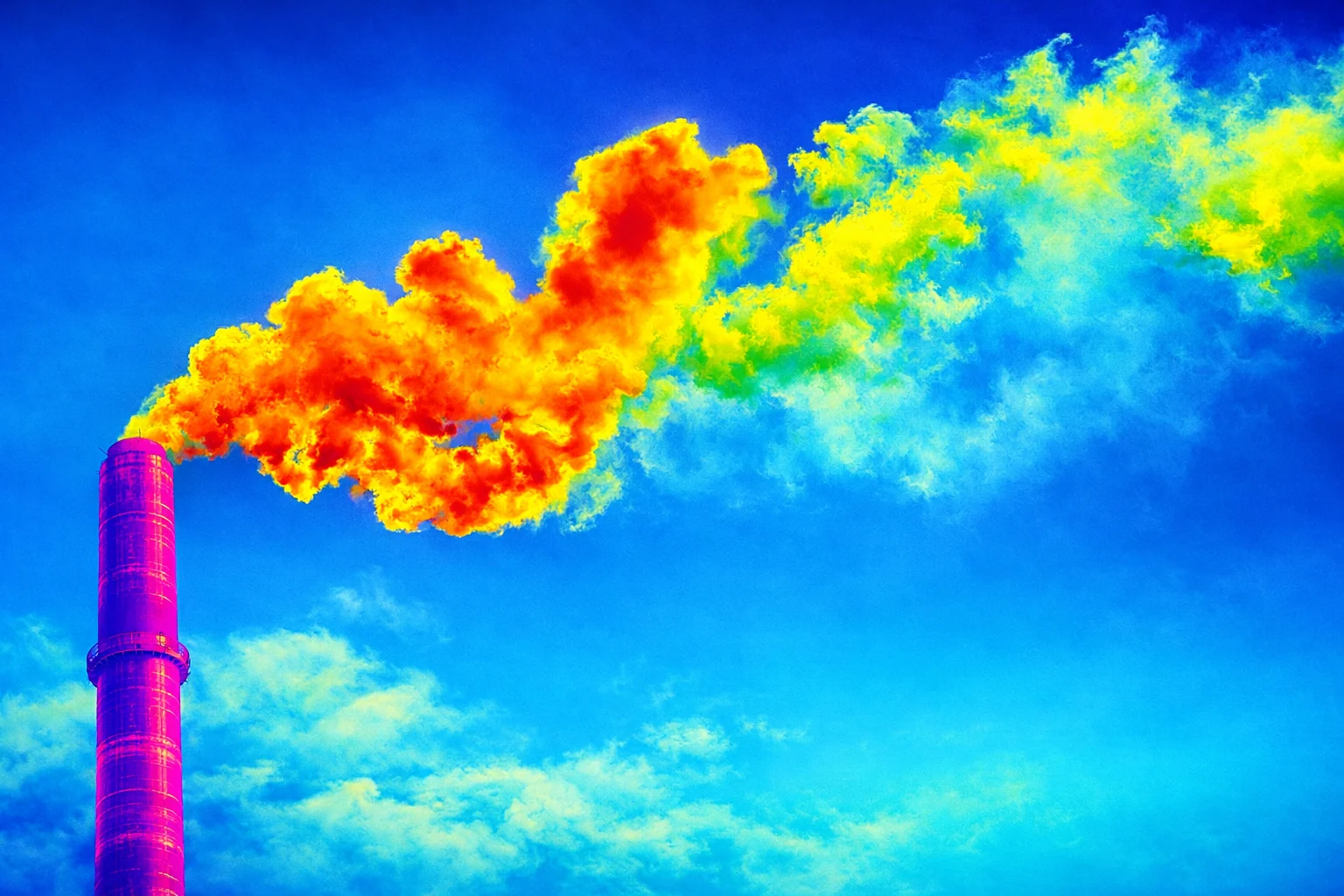
Learning robust scene understanding when visible light is unreliable, low contrast, or absent.
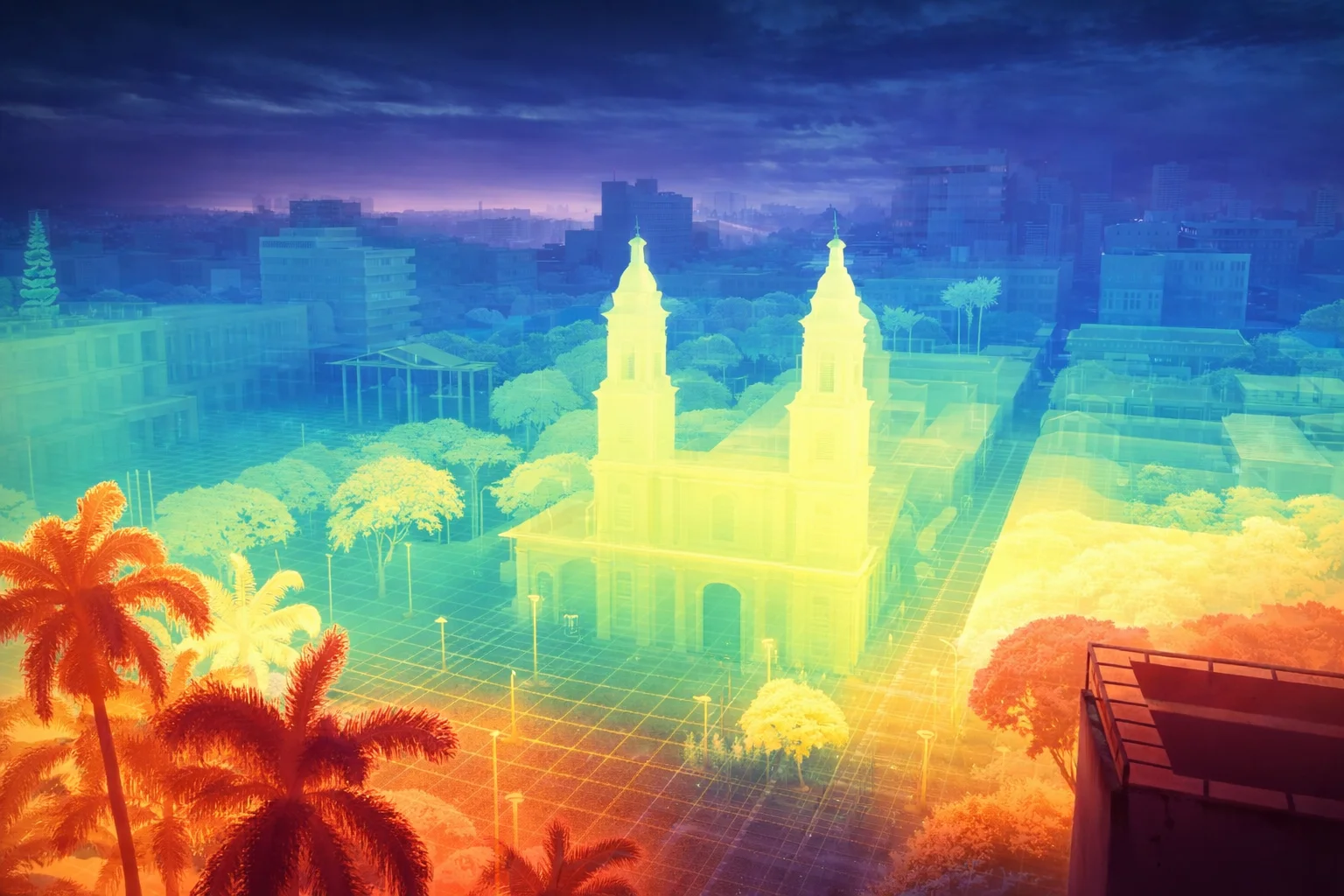
Estimating structure at the pixel level to recover geometry, semantics, and uncertainty from complex scenes.

Connecting language and visual signals so models can describe, search, and reason across modalities.
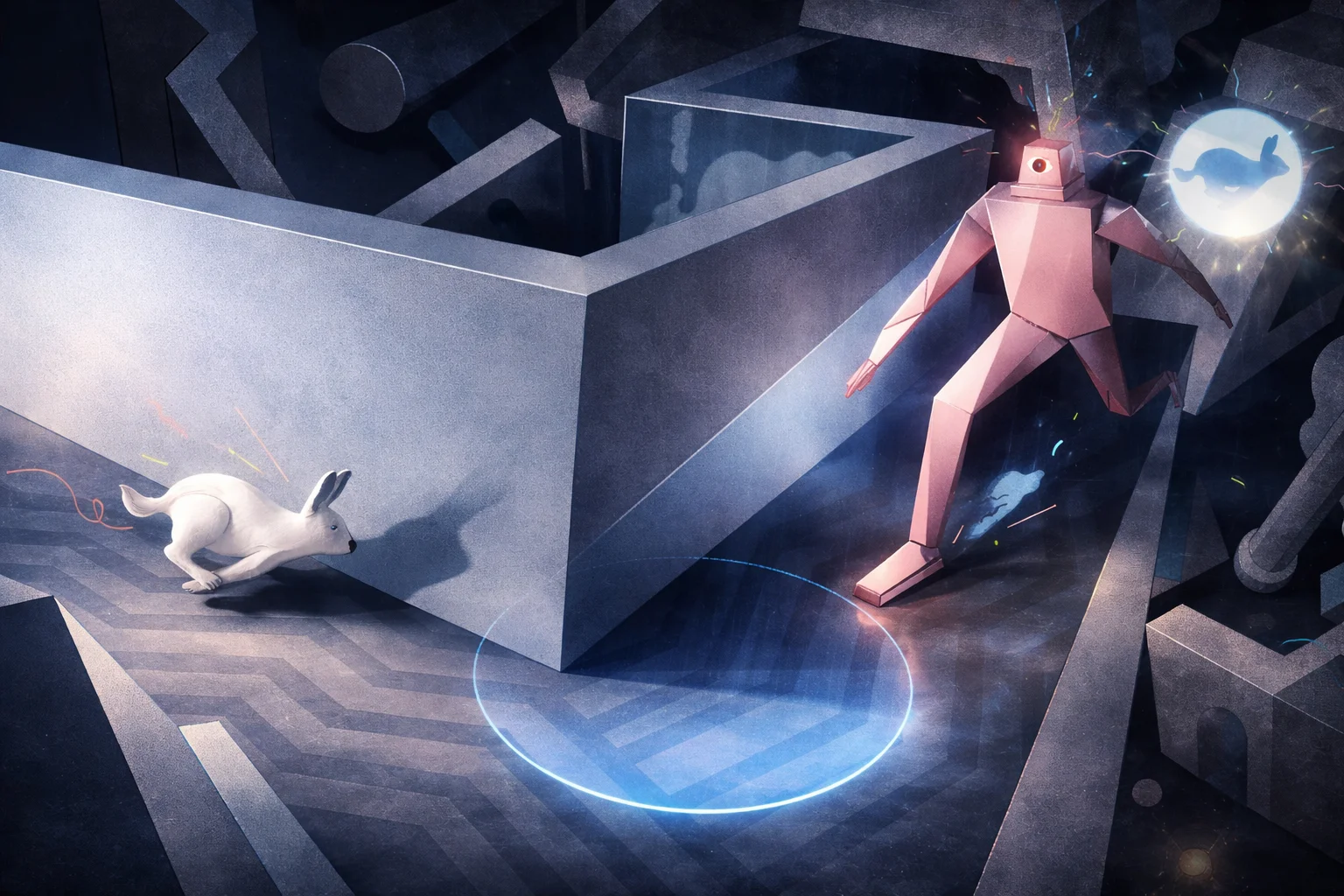
Recovering hidden geometry and activity from indirect light transport beyond the line of sight.
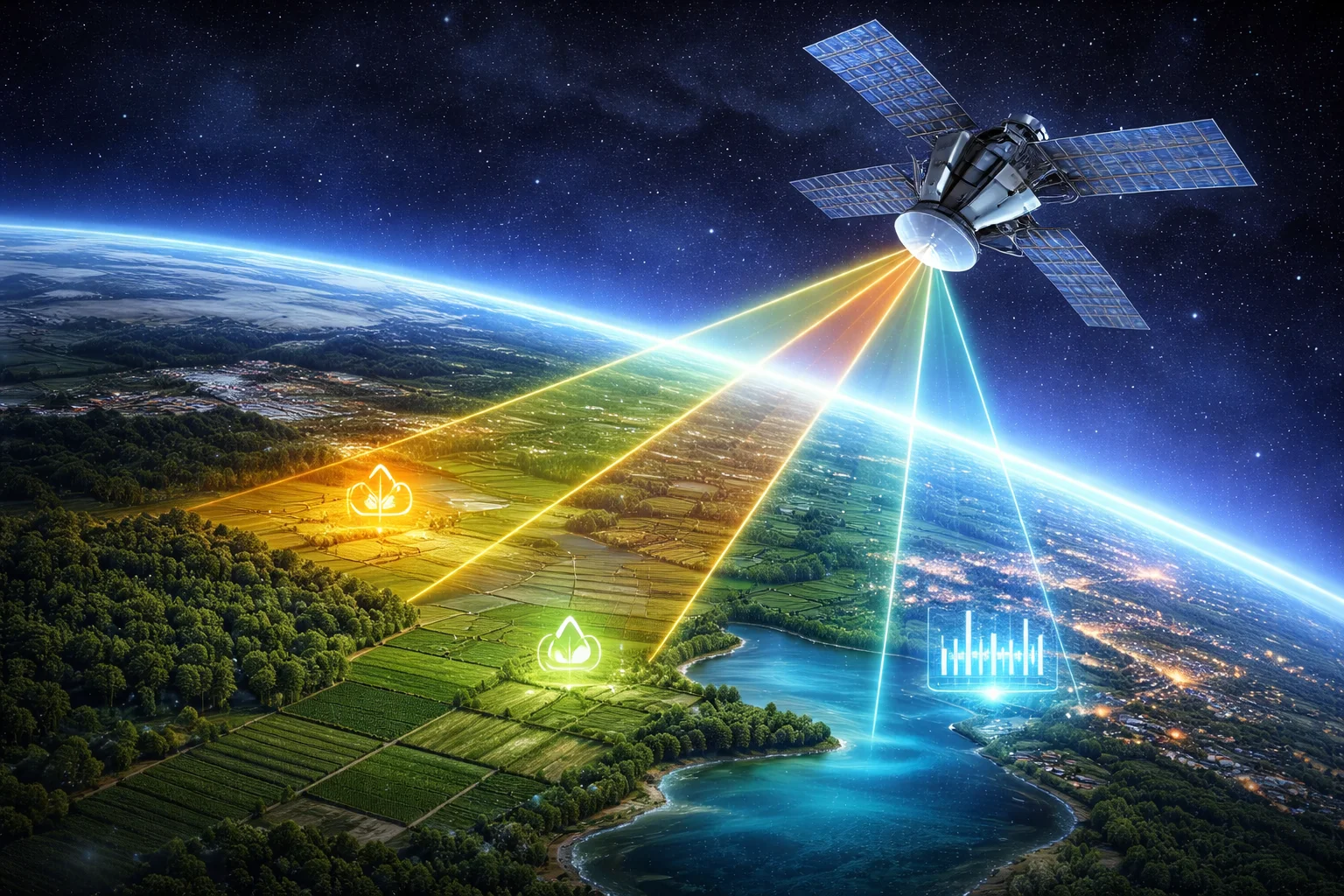
Analyzing large-scale aerial and satellite imagery to monitor land, infrastructure, and environmental change.